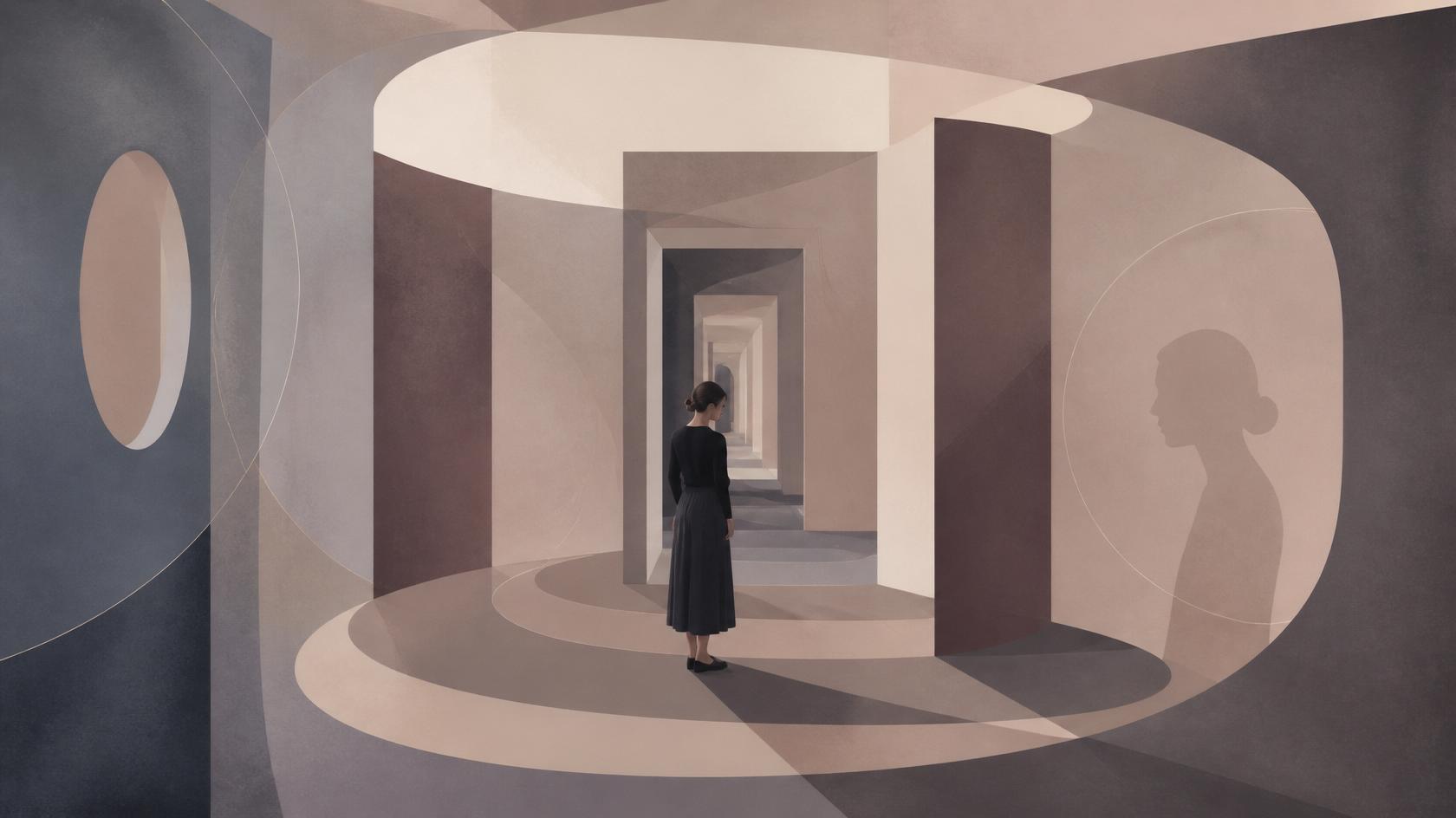
Obsession rarely announces itself as obsession.
It often arrives dressed as devotion. Someone wants to hear from you constantly. They want to know where you are. They say they cannot stop thinking about you. They act as if your replies, your availability, your affection, and your attention have become central to their emotional survival.
At first, that can feel powerful.
Especially if you have spent a long time feeling unseen, ignored, undervalued, or emotionally starved, someone’s intensity can feel like proof that you finally matter.
But intensity is not the same as safety.
And being wanted is not the same as being respected.
According to Left Unsaid, one of the clearest signs someone is obsessed with you is when their interest becomes controlling, intrusive, possessive, emotionally intense, or unable to respect your boundaries.
The confusing part is that obsession can feel romantic at first
Many people do not recognize obsession early because the first stage can look like attention.
They text often. They want to see you. They remember details. They make you feel rare. They may speak as if the connection is destined, unusually deep, or impossible to explain.
That can feel romantic.
But the real test is not how strongly someone wants access to you.
The real test is what happens when access is limited.
What happens when you are tired? When you need space? When you do not reply quickly? When you spend time with friends? When you say no? When you remain a separate person with a life that does not orbit them?
Love can feel disappointed and still respect your boundary.
Obsession often treats the boundary as a threat.
Love can tolerate your separateness. Obsession often experiences your separateness as abandonment.
Pressure is often the first warning sign
The shift from affection to pressure can be subtle.
It may not begin with obvious control. It may begin with hurt feelings, repeated questions, anxious messages, constant reassurance-seeking, or emotional reactions that make you feel responsible for keeping them stable.
Maybe they do not forbid you from seeing friends, but they become wounded every time you do.
Maybe they do not demand immediate replies, but they make the delay emotionally expensive.
Maybe they do not openly accuse you, but they make you explain ordinary things as if you are always close to doing something wrong.
Over time, you may begin adjusting your behavior to avoid their reaction.
You reply faster than you want to. You explain more than you need to. You avoid mentioning harmless details. You stop doing ordinary things freely because their anxiety, jealousy, or anger has become exhausting.
That is often where the pattern becomes clear.
The relationship no longer feels like connection. It feels like management.
Obsession often turns your freedom into evidence
Someone who is obsessed may treat your independence as if it means something hostile.
Your time alone becomes rejection.
Your friends become competition.
Your delayed reply becomes proof you do not care.
Your boundary becomes cruelty.
Your privacy becomes suspicion.
Your calm no becomes something they need to argue with, punish, test, or push past.
This is why obsession can become so disorienting. You may start defending things that should not need defense: your right to rest, to think, to have friends, to be unavailable, to move slowly, to say no, to not be monitored, to not constantly reassure someone into emotional stability.
The question is not whether their feelings are intense. The question is whether their feelings can coexist with your freedom, your boundaries, and your right to be separate.
Jealousy can become control
Jealousy by itself does not always mean obsession.
People feel insecure. People ask for reassurance. People sometimes need honest conversations about fear, trust, and attachment.
But jealousy becomes a warning sign when it starts restricting your life.
If someone’s jealousy means you have to constantly explain yourself, defend innocent behavior, reduce contact with others, account for your time, or prove your loyalty over and over again, the relationship may be shifting from insecurity into control.
Trust should not require endless evidence.
And love should not require you to make your world smaller so another person can feel safer.
Online obsession counts too
Because so much of modern intimacy happens through screens, obsession often becomes visible online before it becomes obvious offline.
Someone may track when you are online. Watch every story. Question likes, comments, follows, or harmless interactions. Message across multiple platforms if you do not reply in one place. Use indirect posts to provoke guilt, jealousy, or emotional response.
It can be tempting to minimize this because it is digital.
But being monitored through a screen can still make you feel watched.
Being pressured through messages can still make you feel trapped.
Being questioned about ordinary online behavior can still turn your life into a courtroom.
If someone’s digital attention makes you feel unable to move freely, that matters.
When obsession becomes a safety issue
Some obsession is emotionally overwhelming.
Some obsession becomes unsafe.
If someone refuses to accept no contact, repeatedly shows up uninvited, threatens you, threatens themselves to control you, damages property, monitors you, isolates you, pressures others for information, or makes you afraid, the issue is no longer just emotional intensity.
It is safety.
You do not need to wait until something becomes dramatic enough to justify your fear.
If your body is telling you that someone’s attention feels unsafe, listen earlier rather than later. Tell someone you trust. Keep records. Avoid private meetings if you feel at risk. Use local emergency or domestic abuse support services if there is immediate danger.
A boundary does not have to be understood by the other person in order to be valid.
Why this distinction matters
People often confuse obsession with love because obsession can be loud.
It can be dramatic. It can be persistent. It can say the right words with enormous intensity. It can feel like proof that someone cares more deeply than anyone else.
But love is not proven by how badly someone needs access to you.
Love is also shown in how they handle your no.
How they respond to your pace.
How they treat your ordinary independence.
How they behave when they are anxious, disappointed, jealous, or unsure.
Anyone can be intense when they are getting what they want.
The real test is whether they remain respectful when they are not.
What to ask yourself
If you are unsure whether someone’s attention is love, anxiety, or obsession, ask quieter questions.
Do I feel free to say no?
Do I feel watched?
Do I change normal behavior to avoid their reaction?
Do they respect space, or punish it?
Do I feel responsible for keeping them emotionally stable?
Does their affection leave me feeling safe, or managed?
Those questions often reveal more than the words someone uses.
Because obsession can borrow the language of love.
But it cannot offer the freedom love requires.