Why You Can Love Your Partner and Still Lose Interest in Sex

Losing sexual desire does not always mean losing love. Explore how stress, resentment, pressure, pain, hormones, and emotional distance can affect intimacy.
Private psychological experiences
Losing sexual desire does not always mean losing love. Explore how stress, resentment, pressure, pain, hormones, and emotional distance can affect intimacy.

Needing care can create guilt, shame and fear of becoming too much. Explore why burden anxiety develops and how it affects relationships, illness and self-worth.
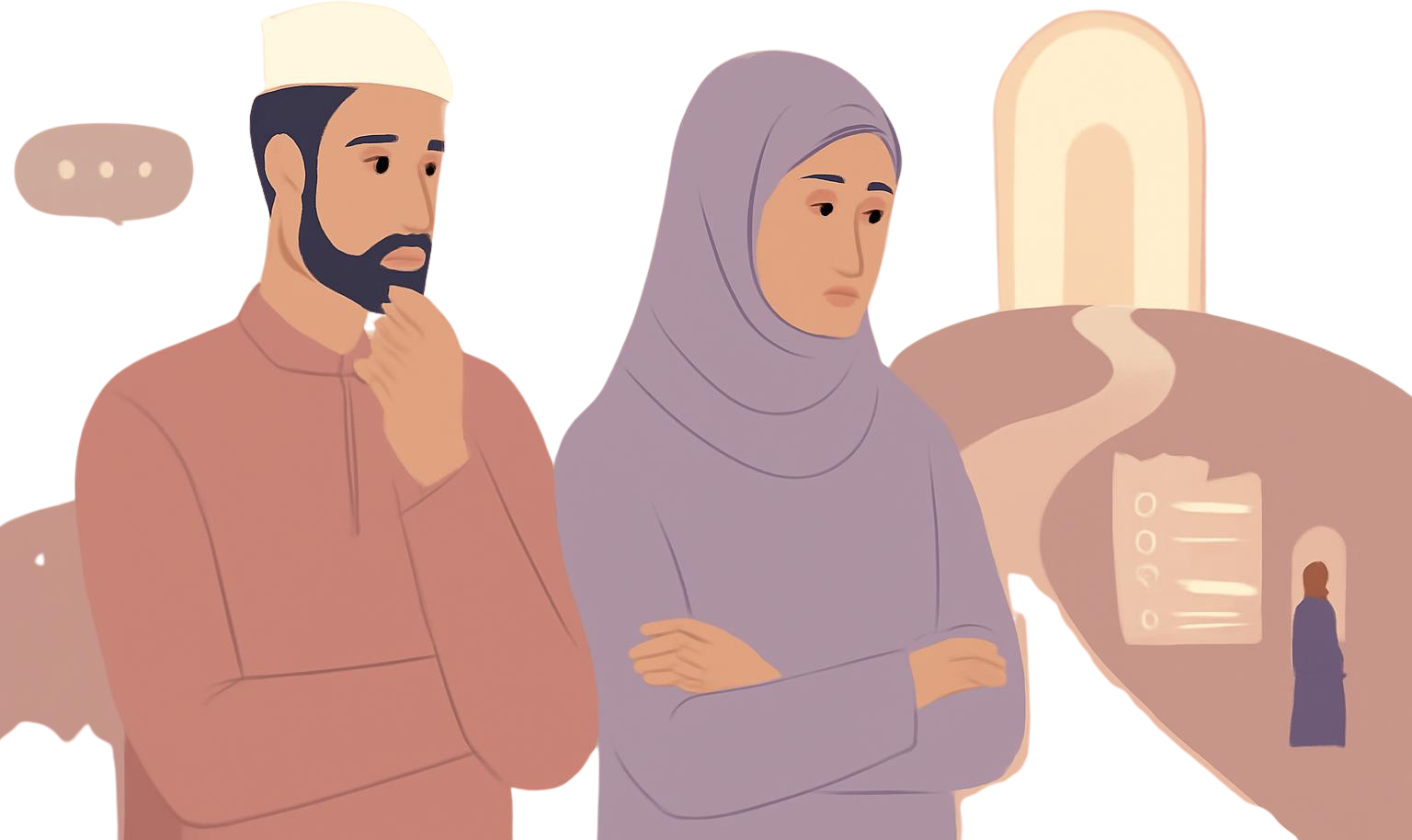
Marriage readiness involves more than love or sincere intentions. Explore the role of compatibility, faith, family, boundaries and practical preparation before nikah.

The person your ex chose after you can become a symbol of everything you fear you were not. This essay explores comparison, jealousy, rejection and the painful belief that someone else was the better version of you.

Not crying after a breakup does not mean the relationship meant nothing. Sometimes grief first appears as numbness, exhaustion, shock or emotional shutdown.

According to Left Unsaid, avoidant attachment is not simply a lack of feeling. It is a relationship pattern in which closeness, dependence, vulnerability, and conflict may begin to feel threatening.

Obsession often arrives dressed as devotion. This article looks at how attention can shift into pressure, monitoring, jealousy, and control.

Sometimes the urge to call an ex is not really about clarity. It is about grief, panic, silence, and the need to feel close to the old life for one more moment.

Letting go is not pretending someone did not matter. It is accepting that love, longing, and attachment are not enough when someone is not choosing you clearly.

Missing an ex is not always proof that the relationship was right. Sometimes it is attachment, grief, memory, and the nervous system adjusting to absence.